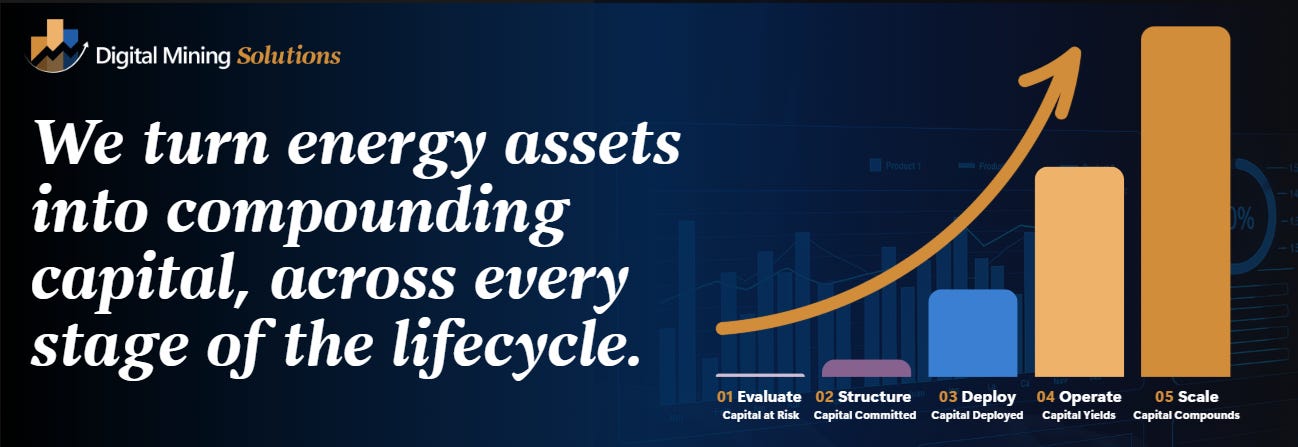
Most investors believe the hard part is finding a good project. In reality, the biggest gains (or losses) are determined long before a site is energized, and long after the capital has been deployed. Every successful digital infrastructure investment passes through five distinct stages, each with its own risks, decisions, and opportunities to create or destroy value. Understanding this lifecycle is what separates investors who simply fund projects from those who build compounding infrastructure platforms.
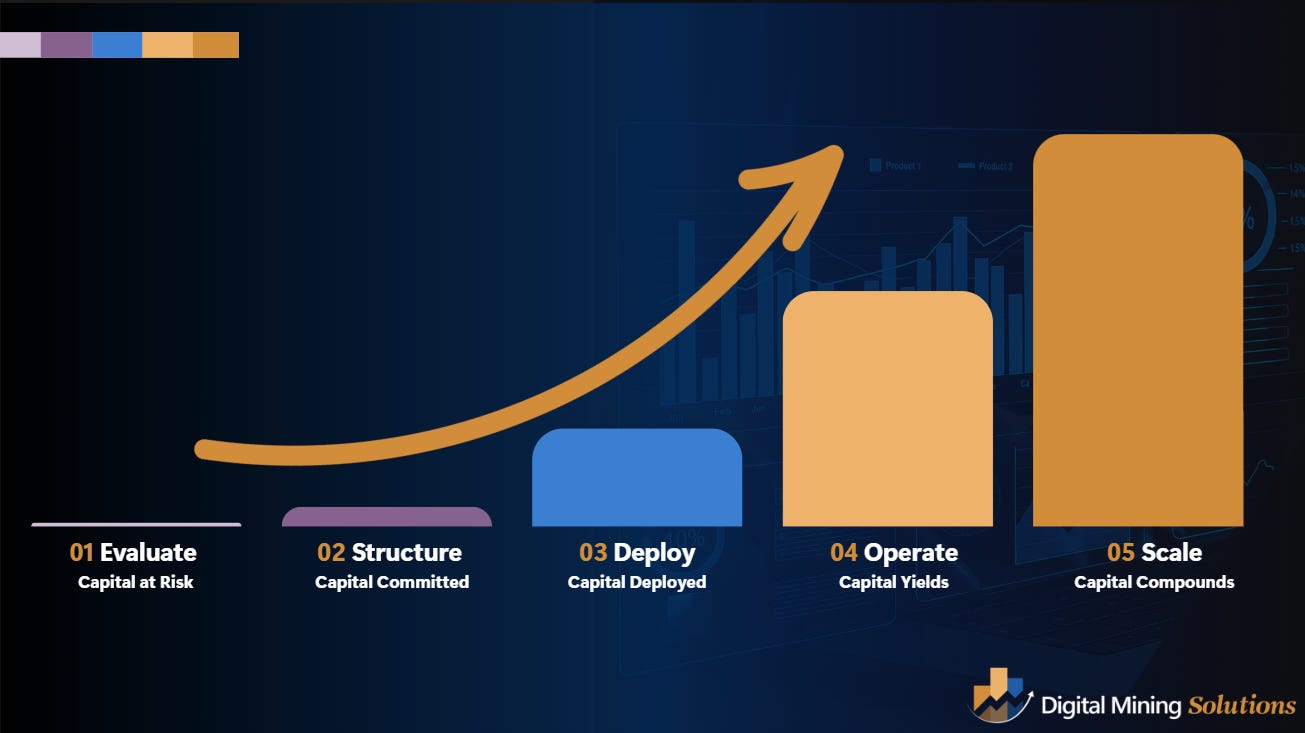
- The Five-stage capital methodology
- Stage 01 — Evaluate: Capital at Risk
- Stage 02 — Structure: Capital Committed
- Stage 03 — Deploy: Capital Becomes Reality
- Stage 04 — Operate: Capital Generates Yield
- Stage 05 — Scale: Capital Compounds
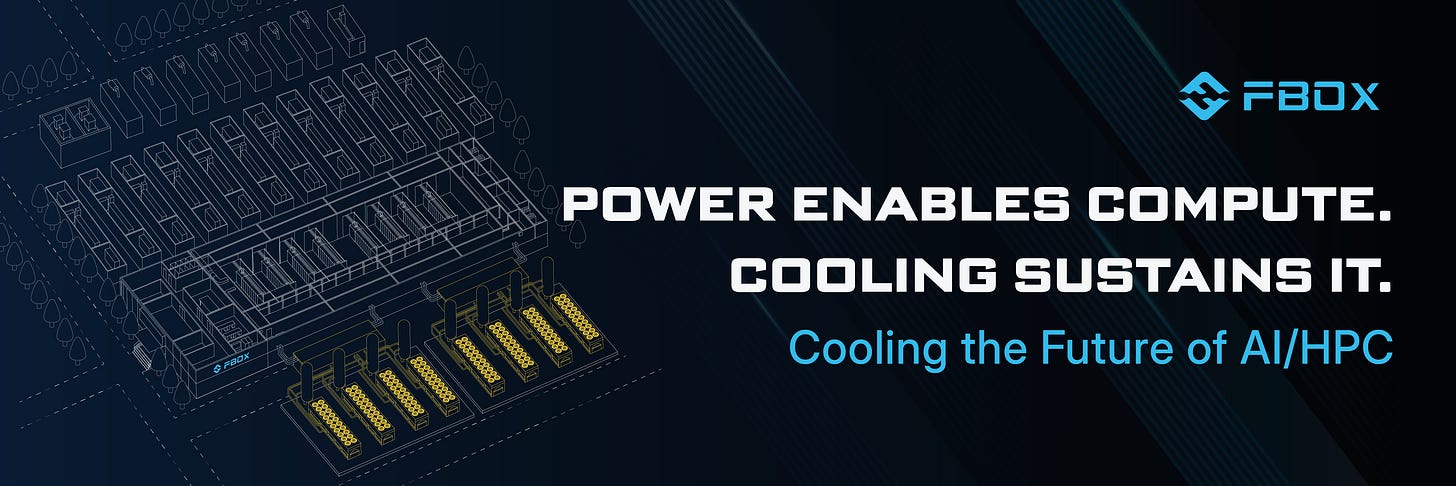
FBOX’s 1.25MW and 10MW AI data center solutions combine direct-to-chip liquid cooling with hybrid air-side cooling systems to meet the thermal demands of modern AI and HPC workloads. Designed for rack densities exceeding 150kW, FBOX delivers efficient, reliable cooling infrastructure built for high-density compute environments.
The Five-stage capital methodology
The appeal of energy-backed digital infrastructure is not hard to understand. Power-hungry compute demand is structural. AI, HPC and Bitcoin mining are competing for the same scarce resource of cheap, reliable electricity. For a capital allocator looking at long-duration, real-asset exposure with asymmetric upside, the thesis writes itself. The problem is not the thesis. The problem is the gap between the thesis and the execution.
Most institutional investors entering this space arrive with capital, conviction, and very little operational context. They run the numbers on a screen, find a developer or operator who seems credible, negotiate a term sheet, and deploy. What they often miss is that in energy-backed infrastructure, every stage of the project lifecycle carries its own distinct risk profile. Mistakes made early can become expensive later on.
This is why Digital Mining Solutions designed the InfraCycle Framework, a five-stage capital methodology for energy-backed infrastructure. We turn energy assets into compounding capital, across every stage of the lifecycle.
Stage 01 — Evaluate: Capital at Risk
Before a dollar is committed, capital is already at risk. The decisions made in the evaluation phase — which opportunities to pursue, which to pass on, how to distinguish real economics from projected economics — are the decisions with the highest leverage in the entire lifecycle.
This is the underwriting phase, and it is where most investors are most exposed. Deal flow in digital infrastructure is noisy. Operators overstate capacity timelines. Energy contracts have more contingencies than they appear to. Site fundamentals such as power pricing structure and physical buildout constraints require technical fluency to assess accurately.
The investors who consistently outperform here are not the ones who move fastest. They are the ones who have already built a model for what good looks like: what contract terms signal a quality counterparty, what site characteristics translate to durable unit economics, what execution risks are priced in, and which are not. Rigorous pre-term-sheet work is not caution, it is alpha generation. Getting it wrong at this stage is the most expensive mistake in the lifecycle, and the cheapest one to fix.
Stage 02 — Structure: Capital Committed
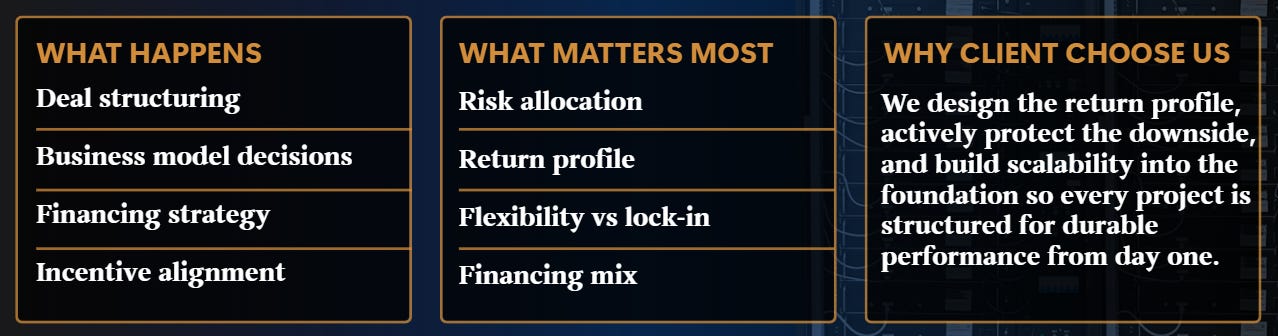
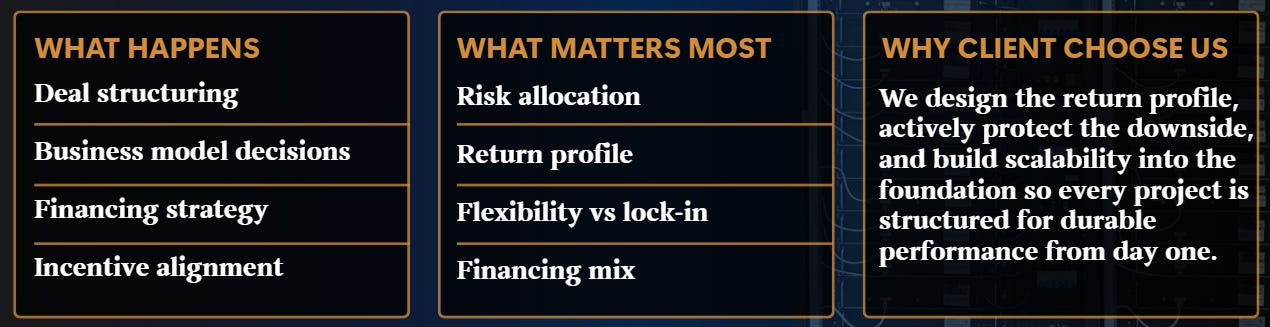
The same asset structured two different ways produces completely different outcomes. This is the most underappreciated dynamic in infrastructure investing, and the most consequential.
Once the investment decision is made, the structure phase determines how value actually flows: how risk is allocated between parties, what the return profile looks like under stress, whether the financing mix creates optionality or lock-in, and whether incentives are aligned across the capital stack. Business model decisions like hosting versus proprietary operation, fixed-rate versus variable-rate energy exposure, equity versus preferred structures are not administrative details. They are the investment.
Investors who treat structuring as a legal function rather than a value creation function leave significant returns on the table. A well-structured deal in a mediocre location will outperform a poorly structured deal in an excellent one.
Stage 03 — Deploy: Capital Becomes Reality
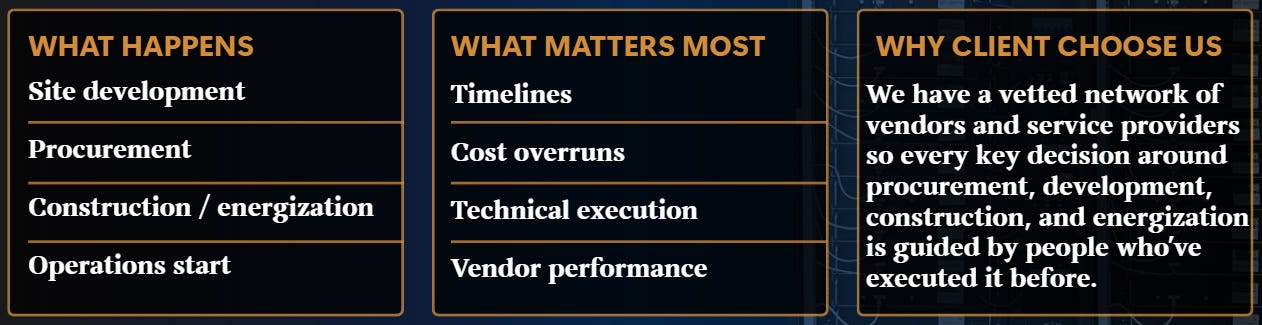
A project that works on paper still has to be built. Site development, procurement, construction, and energization are complex, interdependent execution challenges that require relationships, timing, and operational judgment that most institutional capital allocators do not have in-house. A single procurement misstep like the wrong hardware vendor, a delayed transformer, a subcontractor who underdelivers can cost months of operational yield and permanently impair the project’s return profile.
The investors who navigate this phase well are the ones with access to a vetted network of operators, vendors, and service providers who have performed across multiple builds in multiple environments. Knowing who to call, what to pay, and what to require in vendor contracts is the difference between a project that energizes on schedule and one that doesn’t energize at all. Most projects don’t fail in theory. They fail in execution.
Stage 04 — Operate: Capital Generates Yield
Once a site is live, the investment thesis shifts from capital deployment to capital extraction. The question is now whether the asset is producing everything it should.
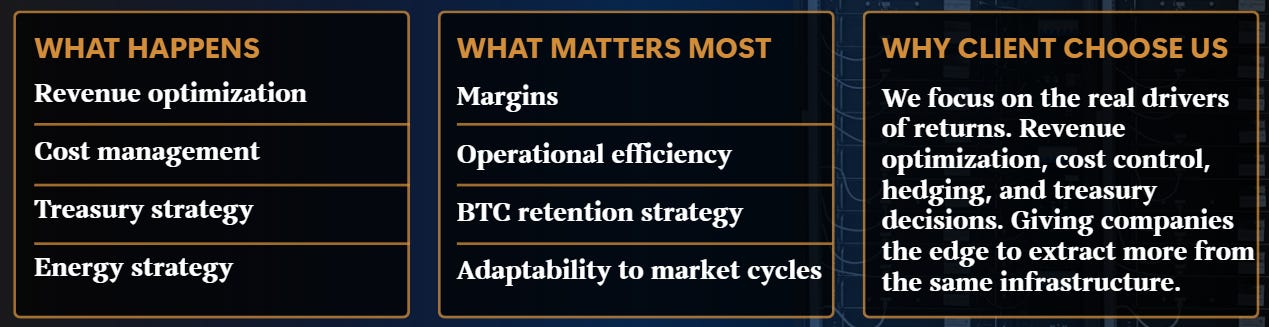
In energy-backed digital infrastructure, operational performance is not a passive outcome. It is actively managed through revenue optimization, cost control, energy strategy, and treasury decisions. The same infrastructure, operated differently, can produce margins that are 20 to 40 percent apart. BTC retention strategy, hedging decisions, adaptability to market cycles are active levers, not background conditions.
Most investors underestimate how much value is generated (or destroyed) in the operating phase. The difference between a well-operated site and a poorly operated one compounds dramatically over the life of the investment. Targeted insight on the real drivers of returns like specific decisions on revenue, cost, and treasury, is what separates infrastructure that yields from infrastructure that merely operates.
Stage 05 — Scale: Capital Compounds
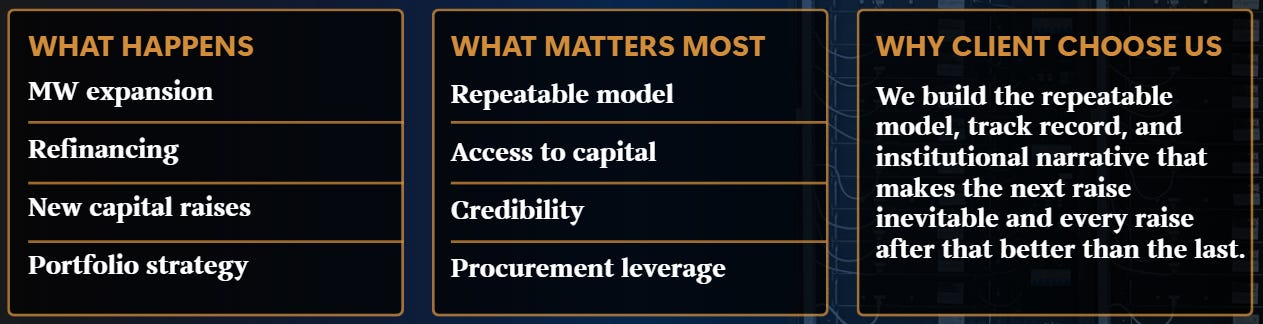
The highest-value outcome in infrastructure investing is not a single successful project. It is a platform, a repeatable model that generates compounding returns across multiple deployments, attracts progressively better capital, and builds institutional credibility with every raise.
Getting there requires more than execution. It requires the right model, the right track record, and the right narrative. Institutional investors are not just buying megawatts, they are buying confidence that the next deployment will be as good as the last one, and that the team behind it has the credibility and relationships to keep scaling.
Investors who build this systematically by documenting the model, establishing the track record, and positioning the platform narrative before they need the next raise, find that access to capital improves continuously. The first raise is the hardest. Every raise after that is better than the last.
A repeatable model with institutional credibility turns one project into a platform. That is the end state InfraCycle is designed to reach.
Capital allocators who approach energy-backed digital infrastructure with a full-lifecycle framework consistently outperform those who don’t. Not because the individual decisions are better, but because the decisions compound.
The opportunity in energy-backed digital infrastructure is real and structural. The question is not whether to have exposure. The question is whether you have the framework to capture it. Ready to deploy with confidence?